
Tag: energy prices
-
Inflation has eroded purchasing power of Pakistanis: Bloomberg
A recent Bloomberg report reveals that Pakistan is facing the highest inflation rate in its region.
-

IMF and Pakistan seal agreement on $3 billion SBA, await board approval
In a significant development, the International Monetary Fund (IMF) declared on Wednesday that its team and Pakistani authorities have successfully concluded the initial review of the $3 billion, nine-month Stand-By Arrangement (SBA). This staff-level agreement awaits the approval of the IMF Executive Board. Upon endorsement, approximately US$700 million (SDR 528 million) will be accessible, contributing…
-
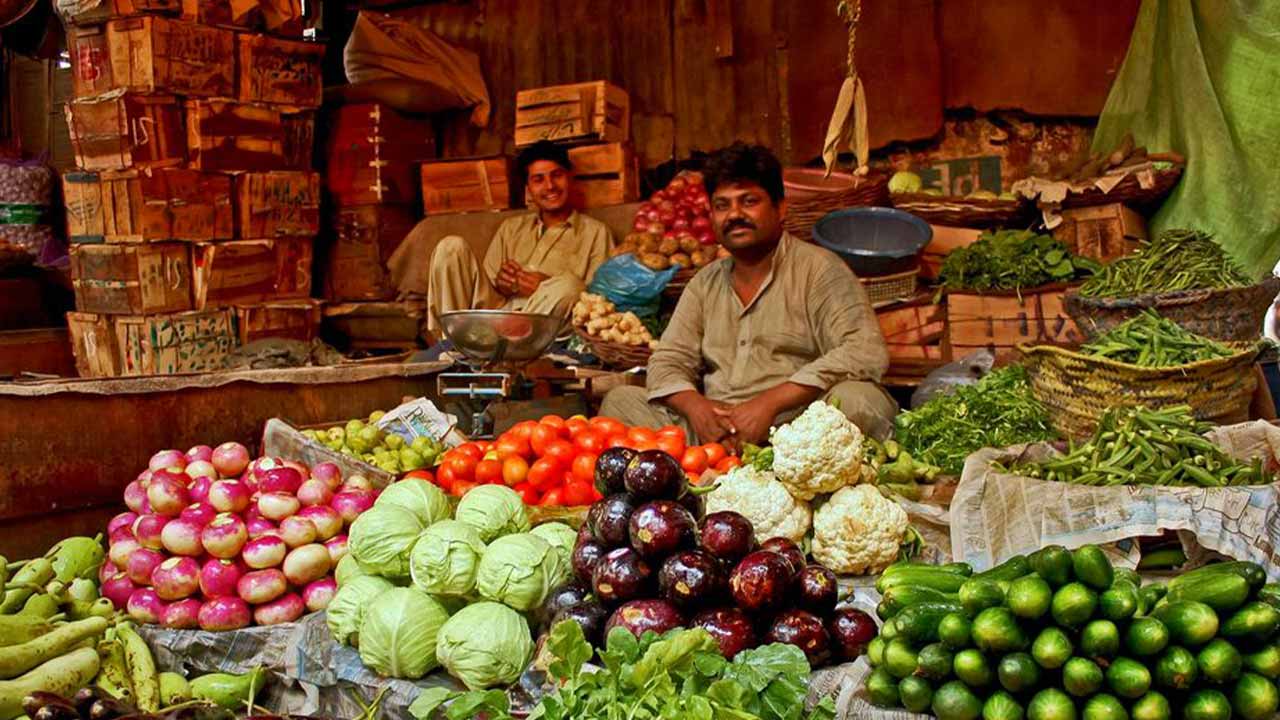
SPI index surges to three-week high at 26.41%: Food and energy prices drive inflation
The Sensitive Price Indicator (SPI) index recorded a notable surge, reaching 26.41 per cent for the week ending on September 7, 2023, marking a three-week high. This increase was primarily propelled by the persistent rise in food and energy prices when compared to the same week in the previous year, putting added strain on households’…
-

IMF declines request for tariff adjustment and subsidy on high electricity bills
In light of the government’s comprehensive deliberation on strategies to alleviate the burden of electricity bills, the International Monetary Fund (IMF) has declined the proposal for tariff adjustments or additional subsidies.
-
Govt expected to hike gas prices by 50%, electricity by Rs4 per unit for IMF deal
“Pakistan is set to notify a significant increase in gas sale prices and electricity base tariffs for the fiscal year 2023-24 as part of an IMF deal. This move aims to pave the way for financial support and economic stability. Read on to learn more about the proposed energy price hikes and their implications for…
-

Pakistan’s inflation expected to rise due to policy decisions and economic uncertainty, warns Finance Ministry
Finance Ministry has warned that inflation in Pakistan is set to rise further due to a second-round effect of policy decisions made earlier this year to raise energy and fuel prices, the central bank’s policy rate, and the depreciation of the rupee to secure IMF funding. The recent political and economic uncertainties in the country…
-
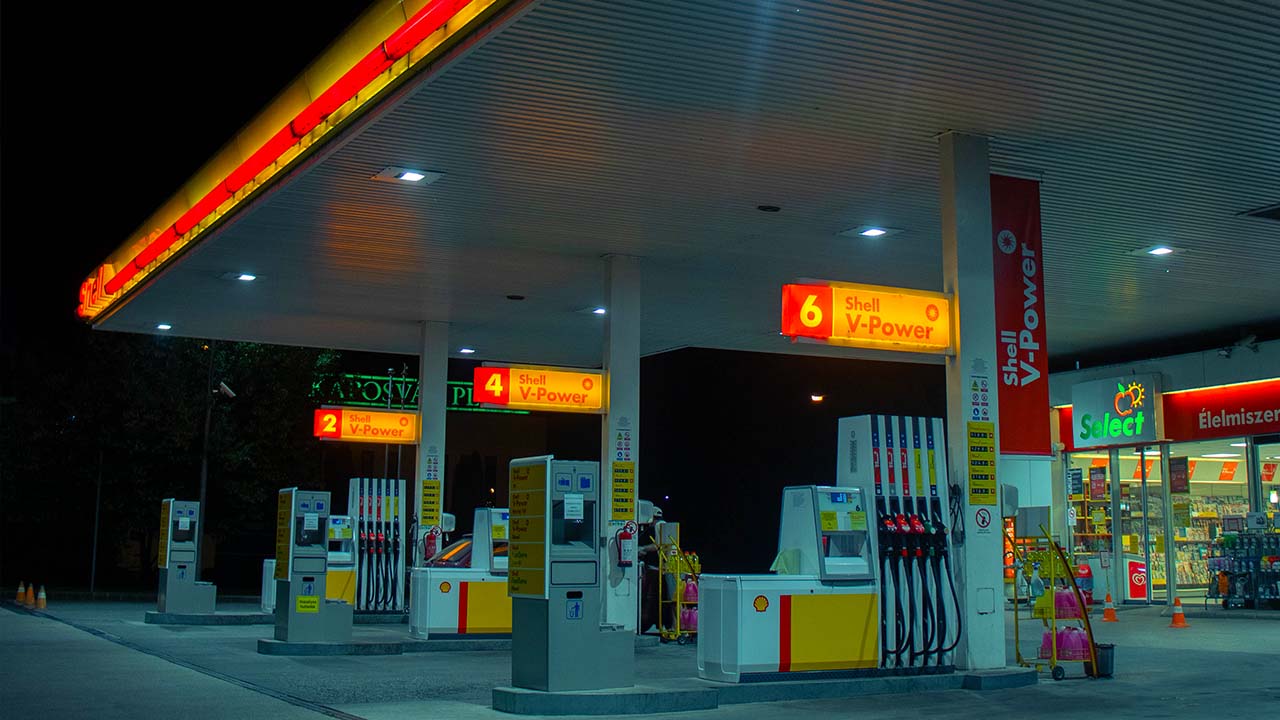
Rupee depreciation may lead to an increase in petroleum prices, says Musadik Malik
Dr Musadik Malik, the State Minister for Petroleum, issued a warning on the potential increase of petroleum product prices due to the significant decline in the value of the Pakistani rupee against the US dollar. During an appearance on the Geo News program “Capital Talk” on Thursday, Dr Malik stated that the depreciation of the…
-
Pakistan’s finance ministry predicts high inflation to persist
As per the Finance Ministry’s monthly economic update and outlook for February, inflation is projected to range from 28 per cent to 30 per cent in the near future, before gradually subsiding. The report cites several reasons for this, including an uncertain political and economic environment, currency depreciation, a recent increase in energy prices, and…